PETG vs Polypropylene for Lightweight Kayak Paddle Drip Rings
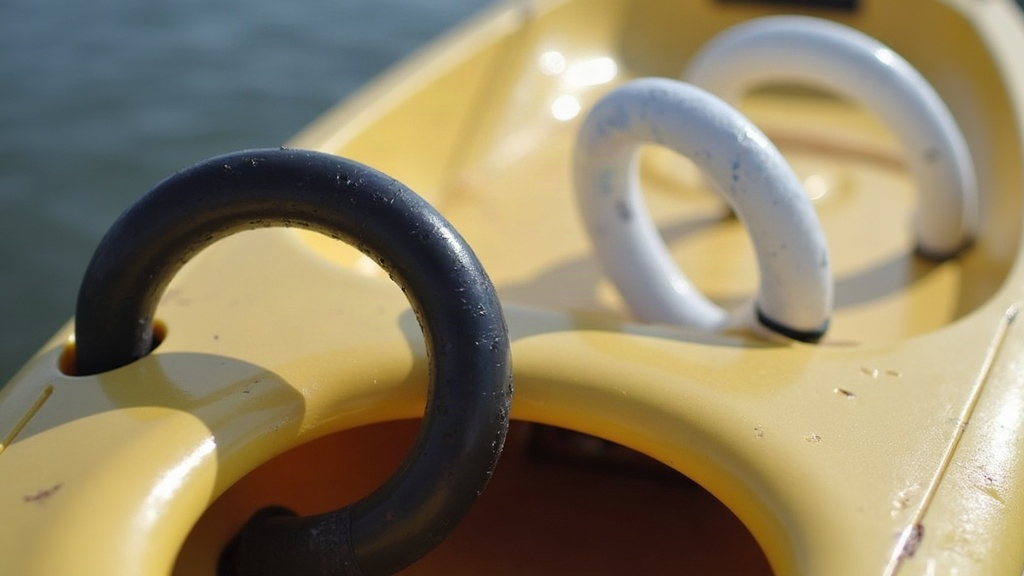
If you’re designing or printing a replacement drip ring for a kayak paddle shaft, it usually comes down to two options: PETG vs polypropylene (PP). PETG prints easily on pretty much any machine and holds its shape in warm weather. Polypropylene is lighter, bends without complaint, and shrugs off cold water and repeated flexing, but getting a clean print out of it is another story. Here’s how to figure out which one belongs on your paddle.
Why Drip Ring Material Matters
A drip ring looks small, but it does real work: it keeps water from running down the shaft and soaking your hands or pooling in the cockpit. For that, it needs to:
- Grip the shaft tight enough that it doesn’t slide during a stroke
- Put up with UV rays, salt spray, and swings in temperature
- Stay light (you’re lifting this paddle thousands of times on a single trip, so every gram adds up)
- Not crack when stretched over the shaft or flexed on a cold morning
Both PETG and PP can handle the job on paper. Out on the water, though, they behave quite differently.
PETG: The Practical Choice for Most Printers
PETG (Polyethylene Terephthalate Glycol) is the usual step up from PLA for outdoor parts, and there’s a good reason it’s become the default.
Strengths:
- Prints reliably on almost any FDM printer, no enclosure needed
- Holds up well against UV and moisture, won’t degrade fast in sun or lake water
- Reasonably impact-resistant; it won’t shatter if the ring catches on a rock
- Easy to get a tight interference fit on the shaft thanks to a bit of natural elasticity
Weaknesses:
- A touch heavier than PP (around 1.27 g/cm³ versus PP’s 0.90 g/cm³)
- Can turn brittle after sitting in sustained heat (left on a car dashboard at midday, say)
- Weak layer adhesion will cause the ring to fail if your print settings aren’t dialed in
Recommended print settings: 230-245°C nozzle, 70-80°C bed, 0.2mm layers, 4+ perimeters for rigidity, and slower speeds (40-50mm/s) around the curve of the ring to avoid gaps.
Polypropylene: Lighter, Tougher, Harder to Print
Here’s a telling detail: most commercial drip rings are injection-molded from polypropylene, not PETG. That’s because PP is chemically tough, resists fatigue extremely well, and is genuinely light in the hand.
Strengths:
- Roughly 30% lighter than PETG by volume, and you’ll feel that difference over a full paddle shaft
- Flexes thousands of times without cracking, almost like a living hinge
- Barely absorbs moisture, which matters a lot for something that sits in water constantly
- Stays flexible in the cold instead of stiffening up on an early morning paddle
Weaknesses:
- Warps badly as it cools, so you’ll need a heated enclosure plus a PP-specific build surface (PP tape, Buildtak, or even a glue stick layer)
- Sticks poorly to standard print beds; first-layer squish and leveling have to be nearly perfect
- Layer bonding is weaker than PETG unless your settings are well tuned
- Hard to find consistent quality from cheaper filament brands
Recommended print settings: 220-240°C nozzle, 100-120°C bed if your printer allows it, an enclosed chamber to fight warping, and a PP-compatible adhesion surface. A lot of makers throw in a thin brim or raft just for PP prints.
Side-by-Side Comparison
| Factor | PETG | Polypropylene |
|---|---|---|
| Weight | Moderate | Lighter (~30% less) |
| Print difficulty | Easy | Hard (warping) |
| UV resistance | Good | Good |
| Flex fatigue resistance | Moderate | Excellent |
| Cold weather flexibility | Can stiffen | Stays flexible |
| Shaft grip (interference fit) | Strong | Moderate (more flexible, less bite) |
Which Should You Choose?
- Go with PETG if you want a ring that prints right on the first attempt, grips the shaft firmly, and a few extra grams don’t bother you.
- Go with polypropylene if you’re chasing the lightest setup possible, paddle somewhere cold, or need a ring that can flex endlessly without fatigue cracking, assuming you already have an enclosed printer and some PP experience under your belt.
Practical Tip
Still on the fence? Print a test ring in each material and stretch it over a length of PVC pipe that matches your shaft diameter. Leave both pieces outside for two weeks in direct sun, then check for discoloration or cracking before you commit to printing a full set.
Conclusion
For most paddlers and makers, PETG is simply the safer bet: reliable prints, a solid grip on the shaft, and decent durability without any drama. But if you’re counting ounces and already know how to tame PP’s warping habits, polypropylene gives you a lighter, more fatigue-resistant ring, closer to what the commercial paddle brands actually use. Pick the material that fits your printer and your setup, not just whatever looks best on a spec sheet.