Custom Seed Packet Dispensers for Community Garden Libraries
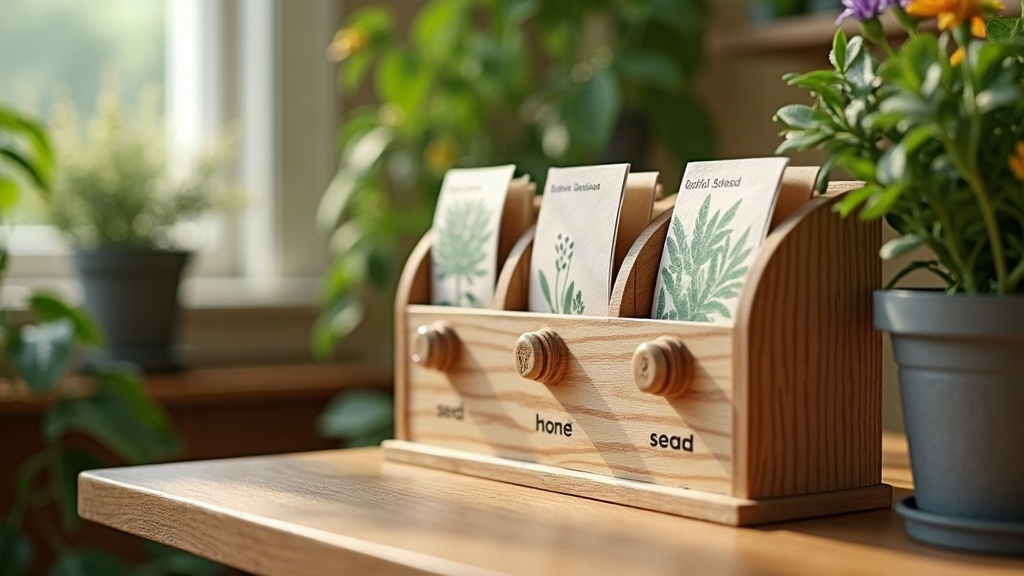
Printing custom seed packet dispensers for a small community garden library might sound like a minor detail, but it’s actually one of the highest-impact, lowest-cost projects a neighborhood garden group can tackle. Pair a well-designed dispenser with clearly printed seed packets, and suddenly a repurposed bookshelf or old card catalog turns into a real seed-sharing hub, one that gets people borrowing, planting, and returning seeds season after season.
Why Custom Dispensers Matter for Seed Libraries
Mismatched envelopes and hand-scrawled labels make a seed library look thrown together, and that alone keeps new visitors from trusting it. A custom dispenser system fixes three specific problems:
- Discoverability: Color-coded categories (vegetables, herbs, flowers, native plants) let visitors find what they want in seconds, not minutes of digging.
- Consistency: Uniform packet sizes fit standard dispenser slots, so nothing jams or slides out of order.
- Trust: Clean printing (variety name, planting depth, sun needs, days to maturity) tells visitors the library is actually maintained and the seeds are worth taking home.
Choosing the Right Dispenser Format
Most small community libraries settle on one of three formats:
- Recycled card catalog drawers, nostalgic, sturdy, and often free if a school or library is retiring one. These work especially well if you print packets in the classic 3x5 index card size.
- Modular wooden slot boxes, built or bought in tiers and labeled by plant family. A natural fit for outdoor “little free library”-style seed boxes.
- Wall-mounted acrylic pocket dispensers, best for indoor spots like community centers, where the clear fronts let people browse without pulling packets out.
Whatever format you pick, measure your available packet size first. Then design the print template around that measurement. Don’t fall in love with a beautiful packet design only to discover it doesn’t fit the drawer.
Designing the Seed Packets to Print
A good template balances information with speed. What actually needs to be on there:
- Common name and variety (say, “Cherokee Purple Tomato”)
- Days to germination and maturity
- Planting depth and spacing
- Sun and water requirements
- A short return-policy line (“Save seeds from your best plants and bring them back next season”)
- A small QR code linking to a growing guide or the library’s sign-up page
Stick to one fold or a single flat card. Fancy, origami-style packets look nice on Pinterest but slow volunteers to a crawl during packing sessions, and nobody wants to fold 300 of those on a Saturday afternoon.
Printing Options: From Home Printer to Local Print Shop
Home or office printing works fine for libraries handling under 500 packets a year:
- Go with a laser printer for smudge resistance, since seed handling means dirty, sometimes damp fingers.
- Print on 60-80 lb cardstock; anything lighter tears the first time someone shoves it in a pocket.
- Pre-cut perforated templates save real time compared to trimming each packet by hand.
Local print shop or online printer starts to make sense once you’re supplying multiple garden sites or gearing up for a seed swap:
- Ask for a duplex, pre-scored cardstock run. Most shops will score the fold lines for a small per-unit fee, and it’s worth it.
- Request a matte finish. Glossy stock fights back against the pencil notes gardeners like to scribble (“planted 4/12, came up in 6 days”).
- Order in batches of 100-250 per variety. Seed libraries rarely burn through more than that before a design update.
Risograph or screen printing is a nice middle ground for garden nonprofits that want a distinct look without a big per-unit cost, especially for a signature “flagship” packet handed out at events.
Layout Tips That Save Volunteer Time
- Match packet width to your dispenser slot with 2-3mm of clearance. Too tight, and every volunteer ends up wrestling packets into place.
- Print category color bars along the top edge only, so packets stay sortable even when they’re stacked at an angle.
- Add a fill-in blank for “Seed source” and “Date collected.” It’s a tiny addition, but it builds a real seed-saving culture and makes germination tracking possible over time.
- Put a lightweight instruction card at the front of each drawer or slot instead of printing full instructions on every single packet.
Maintaining the Dispenser Long-Term
A printed system stays useful only if someone refreshes it seasonally:
- Reprint low-stock varieties ahead of spring and fall planting windows, not halfway through the season when it’s too late to help anyone.
- Keep a master design file, not just printed copies, so volunteers can tweak varieties without rebuilding the template from scratch.
- Laminate the category dividers. They get handled far more than any individual packet ever will.
Conclusion
A thoughtfully printed seed packet dispenser does more than keep seeds tidy: it makes a community garden library feel welcoming, credible, and easy to use. Start by matching packet size to dispenser format, keep the printed info tight but complete, and pick a printing method that fits your library’s actual volume, whether that’s a home laser printer running weekend batches or a local shop handling a few hundred at a time. Get the template consistent and stay on top of seasonal refreshes, and even a small neighborhood seed library can look, and run, like a professional seed bank.